Quick Answer
Deburring machines fit four common production scenarios: right after laser or plasma cutting, after punching or stamping, as pre-weld edge cleanup, and as a standard step in general sheet metal shops — anywhere consistent, safe edges matter at volume.
Walk the floor of almost any metal shop and you'll find a deburring step tucked in somewhere — right after the laser table, downstream of the punch press, or just before parts head to welding. Deburring machine applications aren't tied to one industry; the equipment earns its place wherever consistent, safe, weld- and coating-ready edges matter at volume.
Below are four production scenarios where a dedicated line pays for itself, plus a quick checklist for telling whether your shop has already outgrown manual edge finishing.
1. Right After Laser or Plasma Cutting
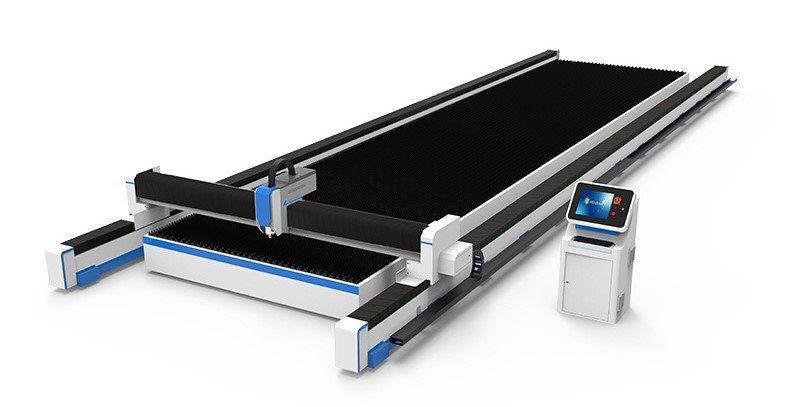
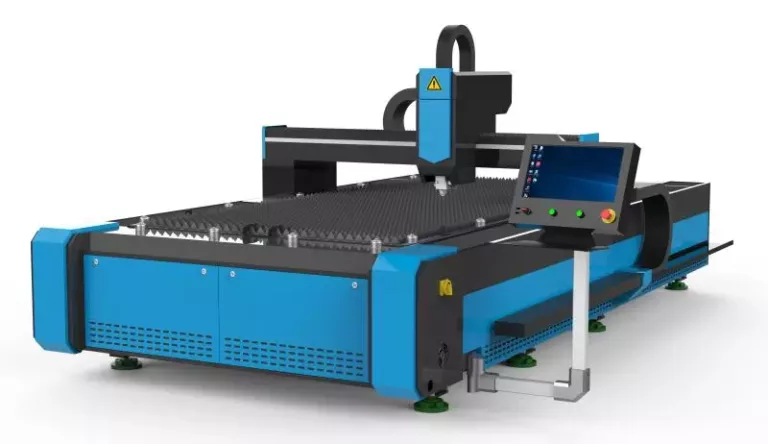
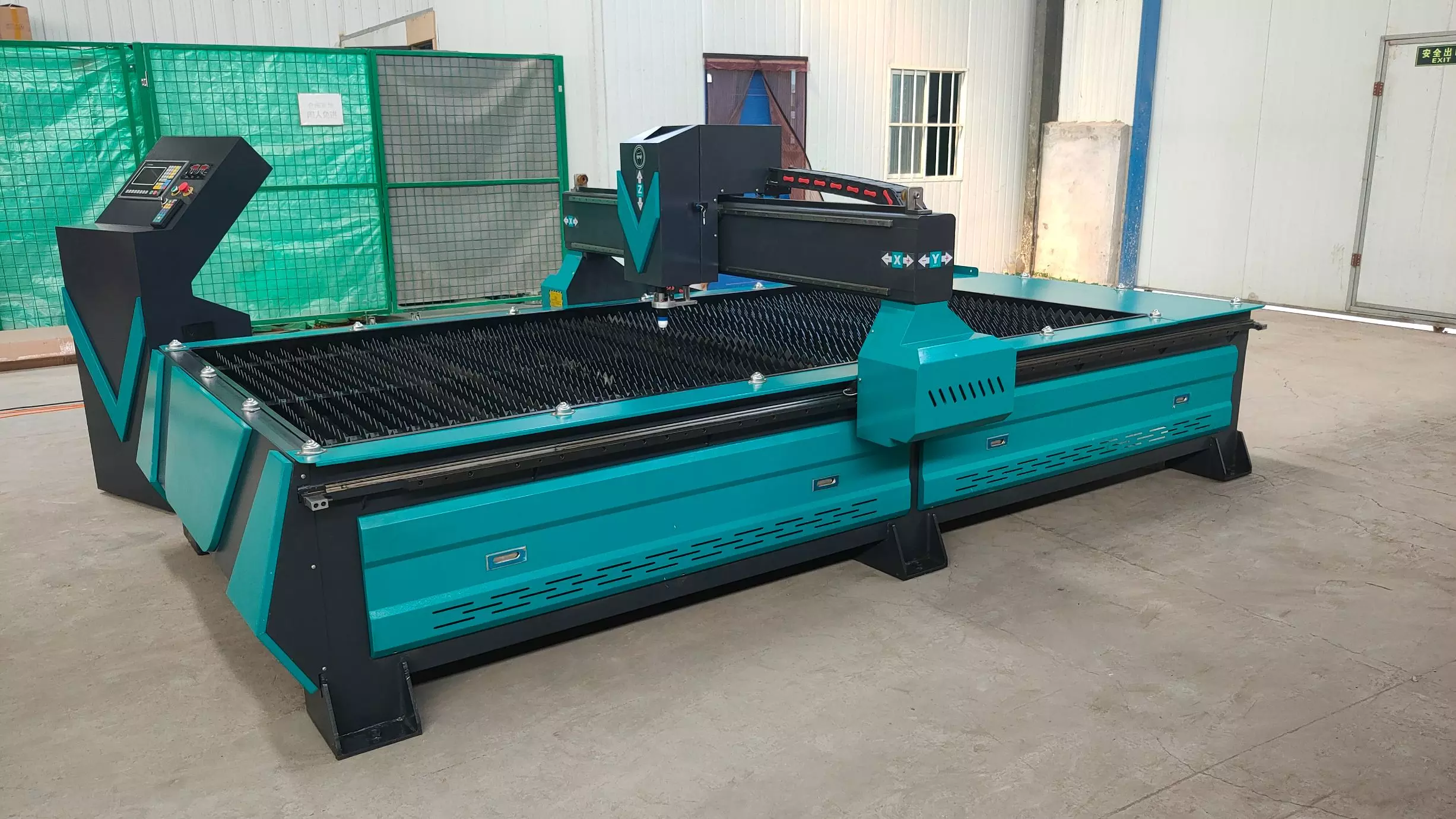
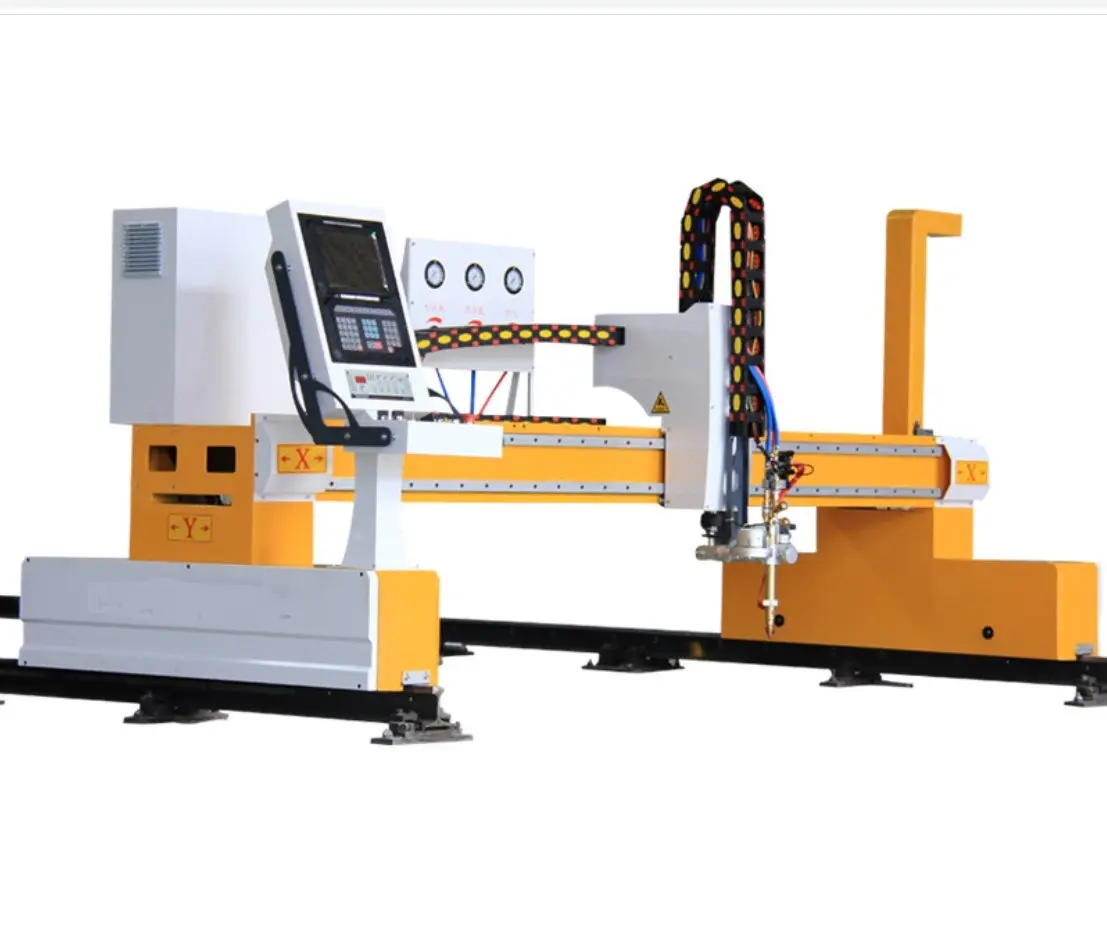
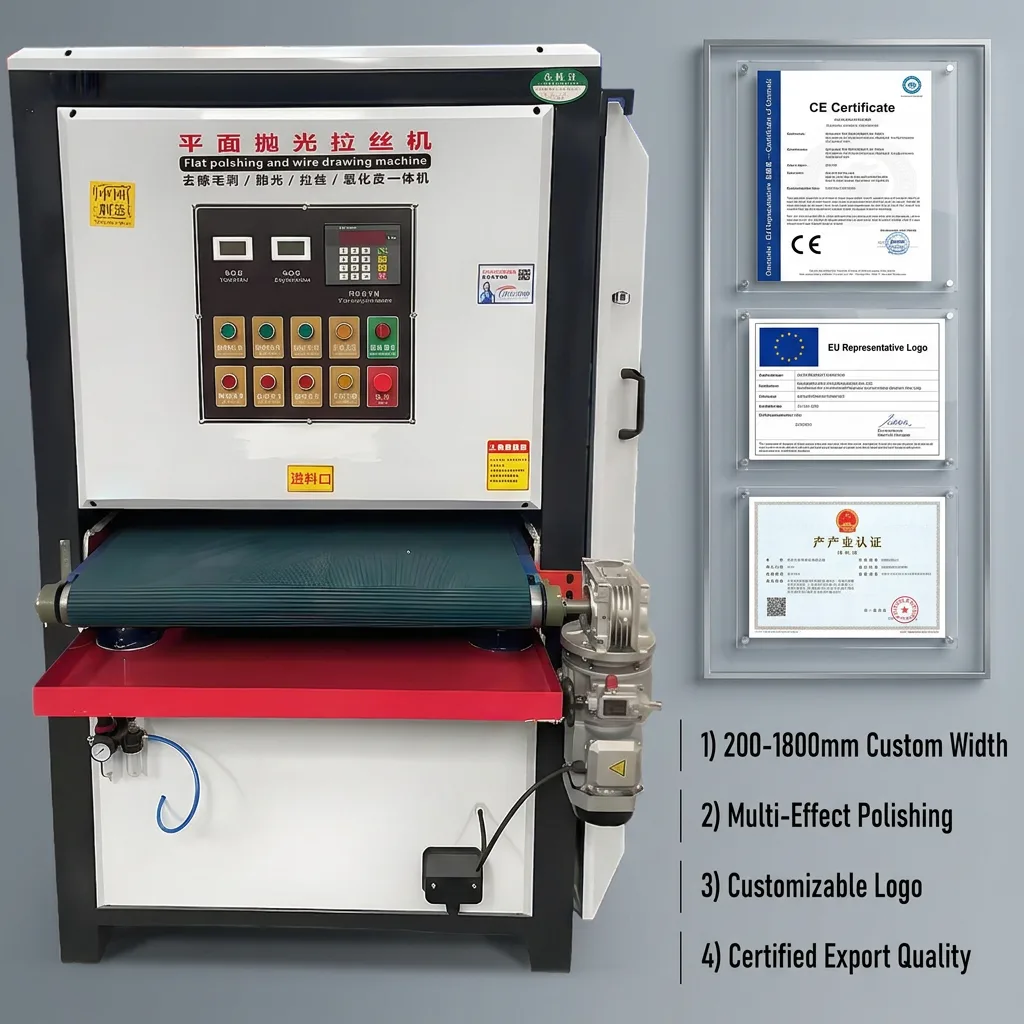
Laser and plasma cutting are fast and precise, but both leave burrs and, in the case of plasma, dross along the cut edge. Running parts through a deburring machine immediately after cutting removes this material and produces a consistent, safe edge before the part moves to the next step — painting, welding, or assembly. PCL's flat deburring and wire-drawing line is CE certified and built to sit directly downstream of a cutting table, in custom widths from 200 to 1,800 mm.
2. Punched and Stamped Parts
Punching and stamping shear material rather than melting or vaporizing it, which typically produces a distinct burr on the exit side of the punch. Deburring evens out both faces of the part, which matters especially for parts that stack, nest, or need a consistent thickness profile at the edge.
3. Pre-Weld Edge Cleanup
Before welding, removing burrs and loose fragments from cut edges helps prevent contamination in the weld pool and supports a cleaner, more consistent joint — particularly important on structural welds where joint integrity matters. Shops that also need a chamfered or beveled edge for weld prep often run both steps on a shared platform: PCL's MDC-Series chamfering machine is built directly on the MD-Series deburring platform, so edge-rounding and a weld-prep chamfer happen in the same production line.
4. General Sheet Metal Fabrication Shops
For shops running a mix of laser cutting, punching, and forming, a deburring line is often positioned as a standard step between cutting and any secondary operation, rather than something applied selectively — keeping edge quality consistent across every job that comes through the shop, regardless of which cutting method produced the part.
Deburring by the Numbers
Across these four scenarios, the underlying hardware doesn't change much: a continuous-feed line rated for custom widths of roughly 200 to 1,800 mm, running on 110/220/380V power, covering matte, brushed, edge-deburred, or mirror finishes from a single setup. What changes is where that line sits in the workflow and how tightly it's integrated with the step before or after it.
Signs Your Shop Has Outgrown Manual Deburring
Manual Deburring Is Still Fine If…
- Volume is low or inconsistent
- Parts are one-off, prototype, or repair work
- A single operator with a hand grinder keeps pace with orders
Time to Automate If…
- Deburring is consuming significant labor hours across shifts
- Multiple cutting methods (laser, plasma, punch) feed one finishing step
- You're beveling or wire-drawing on the same parts anyway
Frequently Asked Questions
Deburring machines show up wherever metal is cut, punched, or machined at volume — structural steel fabrication, sheet metal shops, HVAC ductwork, appliance manufacturing, and pre-weld processing for pressure vessels and shipbuilding are all common examples.
Most laser-cut metal parts benefit from deburring, since the cutting process leaves burrs along the edge regardless of cut quality — the extent of the burr varies with material, thickness, and cutting parameters.
Yes. Most flat deburring lines process parts from multiple upstream cutting methods; abrasive selection and feed speed may need adjusting between very different burr types.
Not directly. A flat pass-through deburring machine is built for burrs and dross on cut sheet or plate edges — for example plasma-cut dross, which fabricators sometimes also call slag. Slag sitting on a finished weld bead is a different, three-dimensional problem and is normally removed separately, with a chipping hammer, wire brush, or grinder, before any further edge finishing.