Quick Answer
Plate beveling for welding matters wherever full weld penetration is structurally or safety critical — shipbuilding, pressure vessel and boiler fabrication, and structural steel construction all require beveled edges prepared to the applicable welding procedure.
Three very different industries — shipbuilding, pressure vessel fabrication, and structural steel construction — all converge on the same requirement: a beveled edge before the weld ever starts. None of them can afford a joint that looks fully welded on the surface but never actually penetrated underneath.
Shipbuilding
Ship hulls and structural sections are built from thick steel plate joined by welds that need to withstand significant structural and environmental stress over decades at sea. Classification societies such as ABS, DNV, Lloyd's Register, and ClassNK govern the welding procedures and joint qualifications used in hull construction, and beveled edges are standard on the butt welds joining hull plates — typically single-V grooves where access is available from only one side during assembly, or double-V grooves where both sides can be welded, which reduces the total weld volume on thicker plate. Beveled edges allow weld filler to fully penetrate the joint, which is essential for the structural integrity of hull and frame welds — there's no retrofitting a hull weld once the vessel is in service.
Pressure Vessel and Boiler Fabrication
Pressure vessels and boilers hold contents under pressure, which makes full weld penetration a safety-critical requirement rather than just a quality preference. In the US, this work is governed by the ASME Boiler and Pressure Vessel Code — Section VIII for vessel construction and Section IX for welding procedure and welder qualification. Beveled edges, prepared to the joint design specified in the applicable code and welding procedure specification (WPS), are standard practice in this sector precisely because an incomplete weld on a pressurized vessel isn't a cosmetic defect — it's a failure mode with real consequences.
Structural Steel Construction
Structural steel members — beams, columns, and connection plates — rely on welded joints to transfer load safely through a structure. In the US, AWS D1.1 (Structural Welding Code — Steel) is the standard most structural fabricators follow for joint design and qualification. Beveling the plate edges where complete joint penetration (CJP) welds are required helps ensure the joint performs as designed under load, particularly at moment connections — beam-to-column joints designed to transfer the full moment capacity of the member — where the structure depends on the weld itself, not just the base metal around it.
Common Weld Joint Types
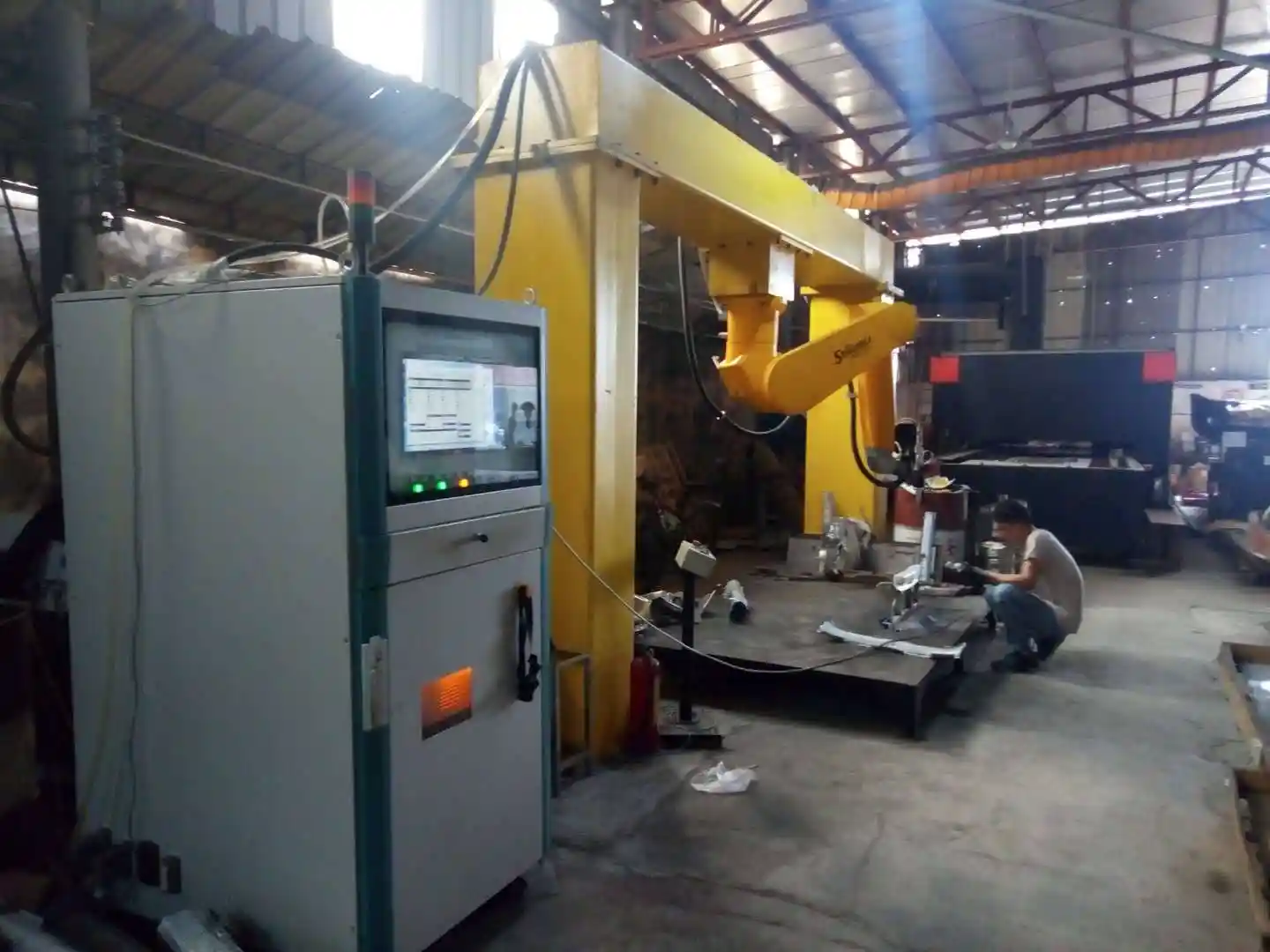
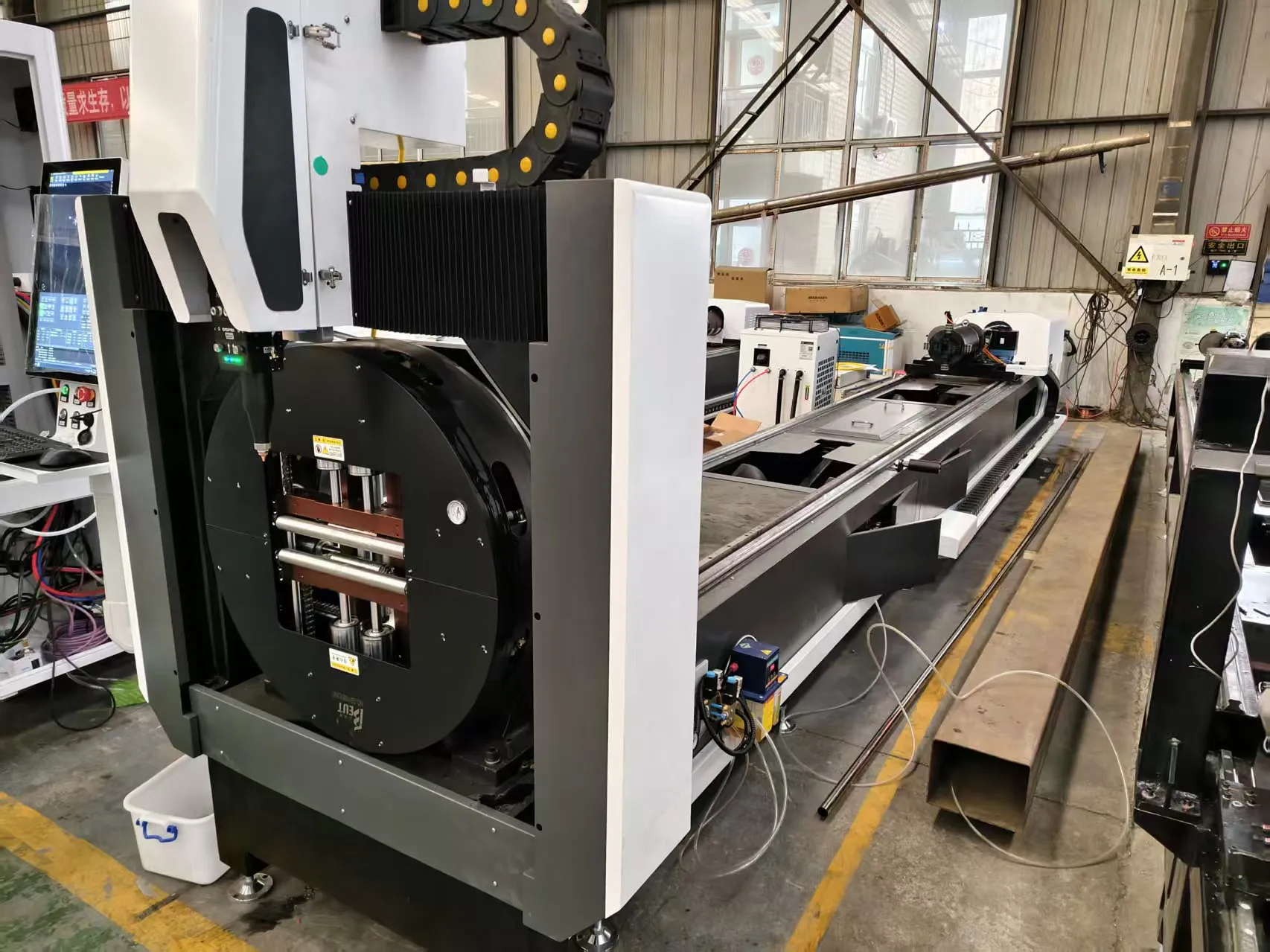
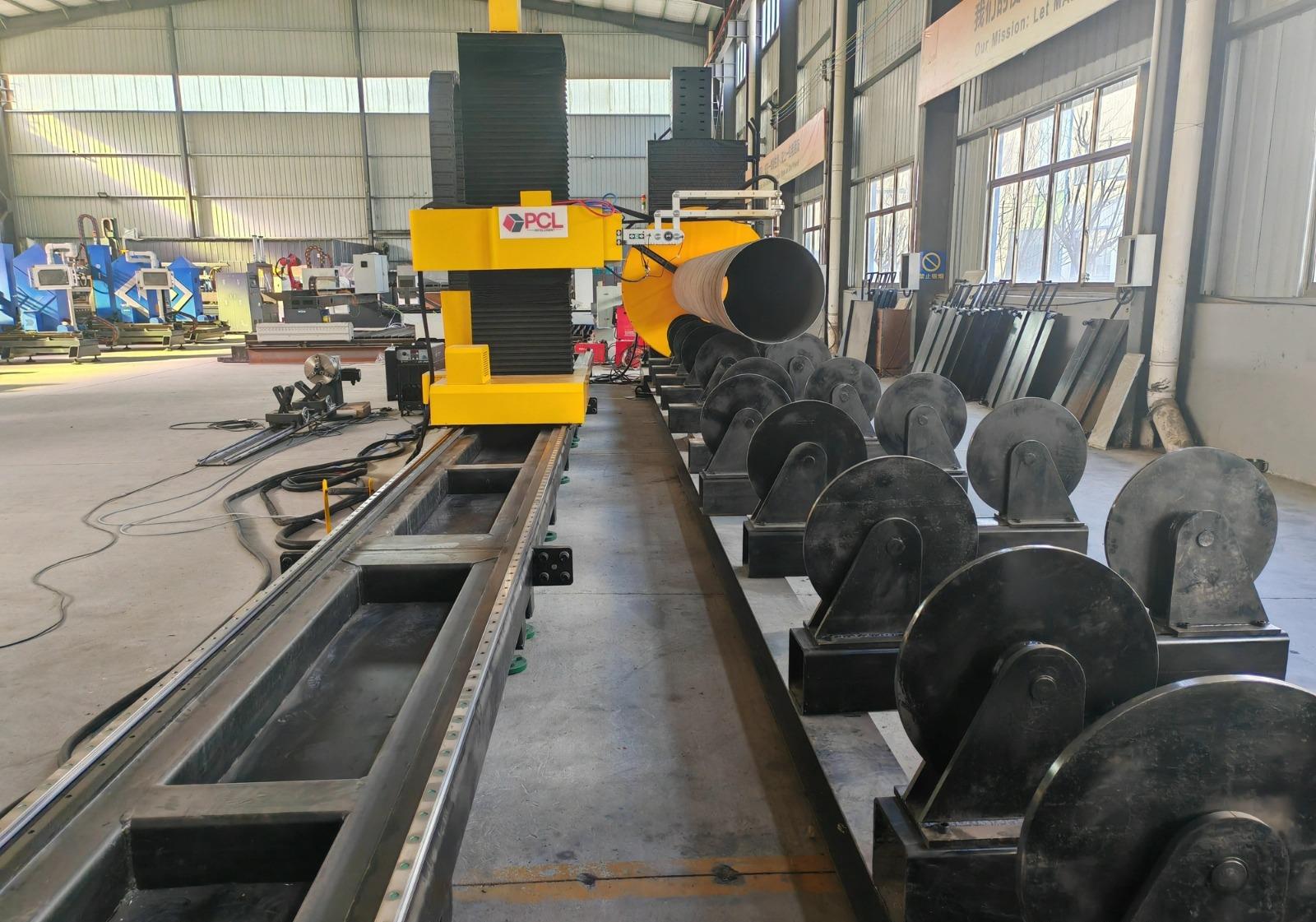
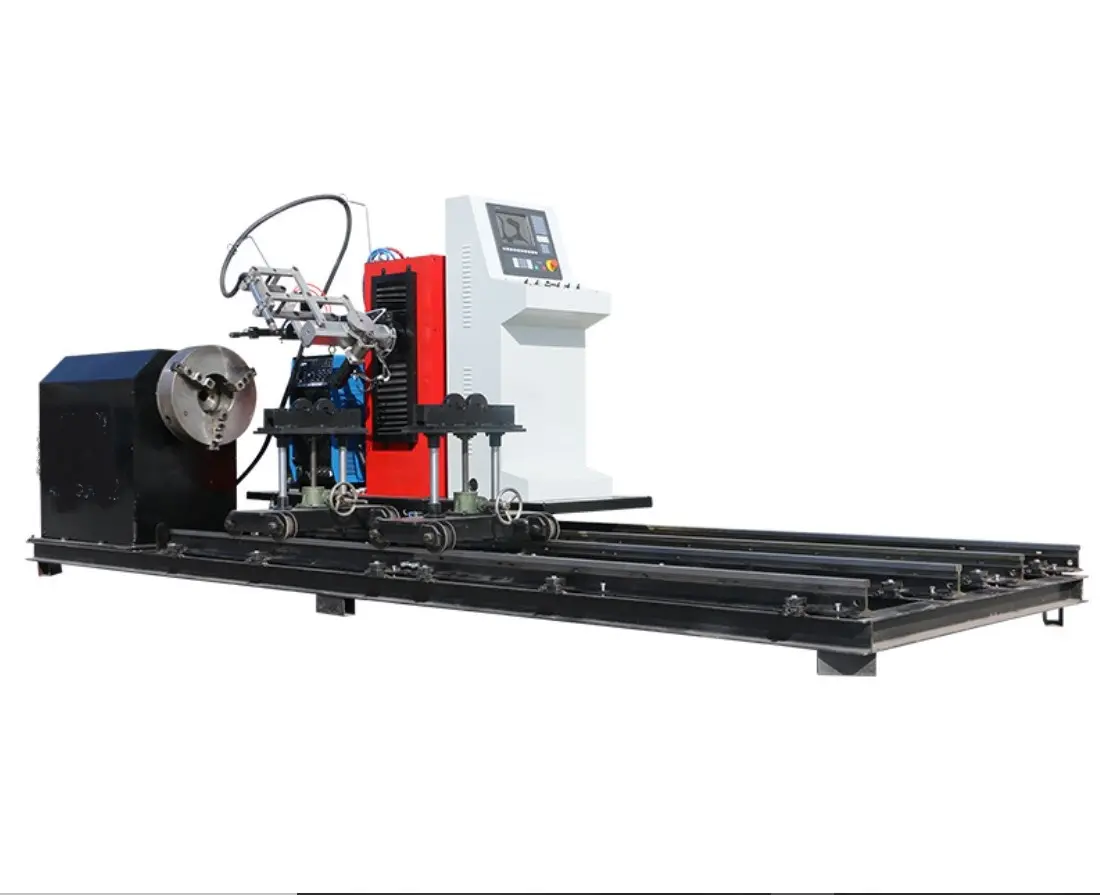
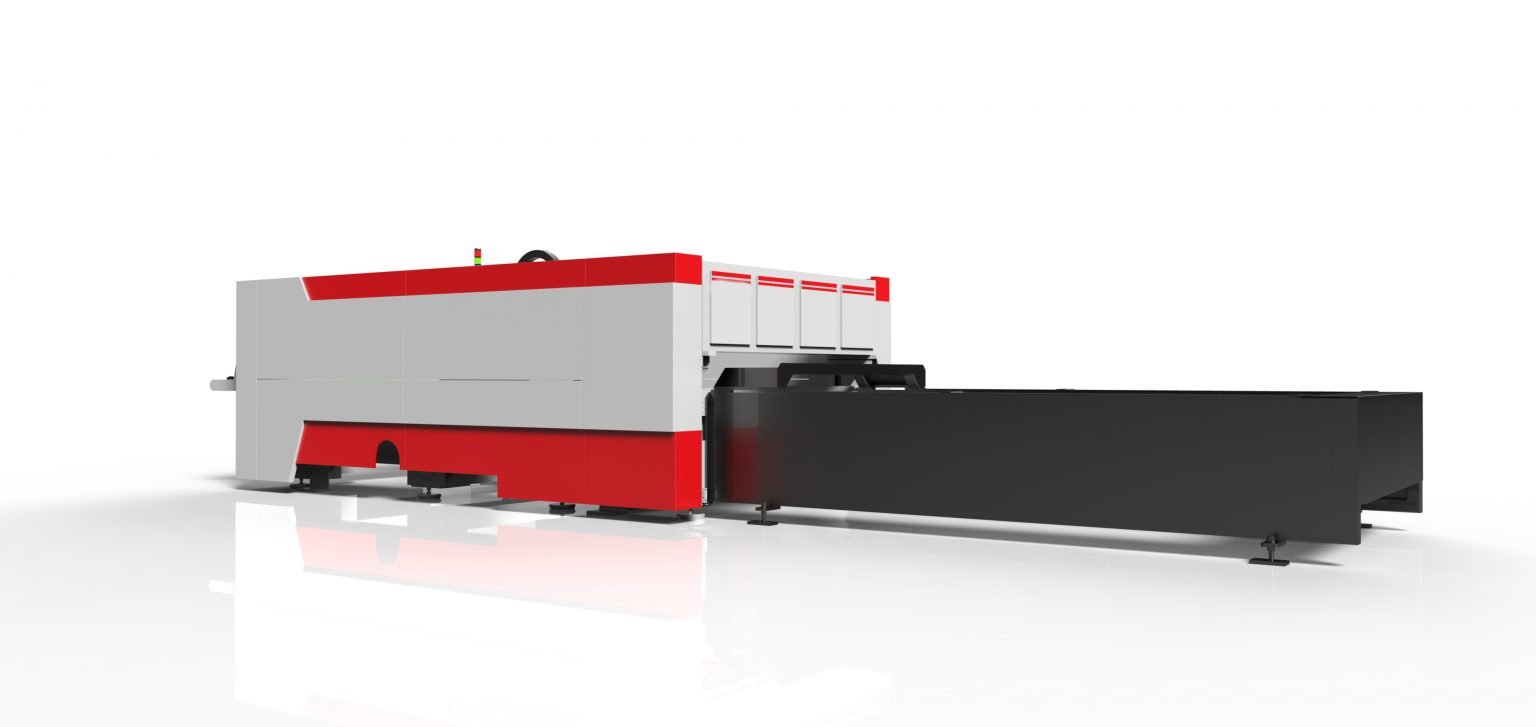
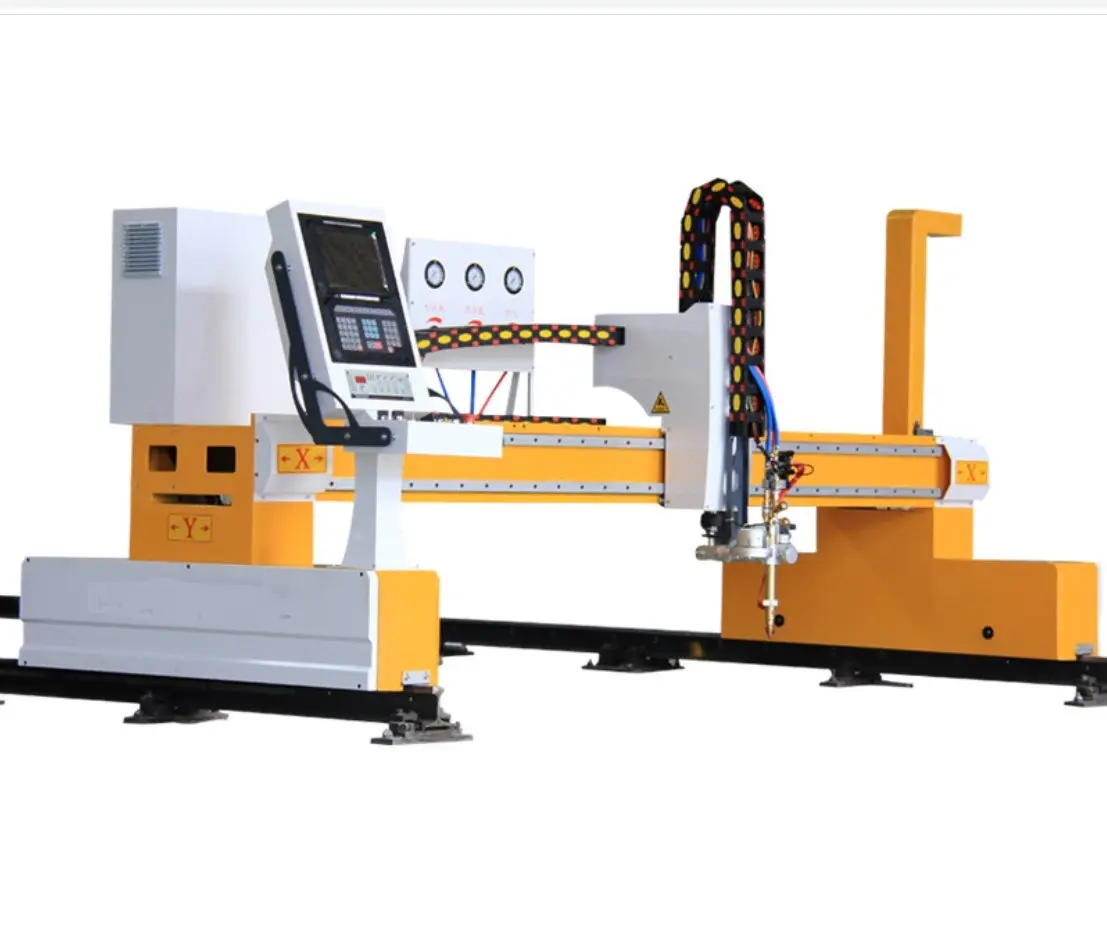
Single-bevel and double-bevel groove joints are the most common configurations, chosen based on plate thickness, access from one or both sides, and the specific welding procedure in use. Single-V and double-V grooves (beveling both plate edges meeting at the joint, rather than one) follow the same logic. J-groove and U-groove profiles, with a curved rather than flat bevel face, show up on very thick sections where minimizing weld metal volume — and the cost and distortion that comes with it — matters more than the added machining complexity. The exact bevel angle and joint geometry should always follow the project's WPS rather than a generic default. PCL's MDC-Series can be configured for either single- or double-bevel setups within its standard angle range.
Root Face, Root Gap, and Included Angle: What a WPS Actually Specifies
A welding procedure doesn't just call out a bevel angle — it specifies three interacting variables that together control how the weld penetrates. The included angle (the total angle formed by both bevel faces on a V-groove) affects how much room the welder has to work the arc into the joint: a wider angle gives easier access and more consistent fusion but requires more weld metal and heat input to fill. The root face, or land, is the small flat, unbeveled section left at the bottom of the joint before the bevel starts — a taller root face resists burn-through but makes root-pass penetration harder to achieve, while a shorter one eases penetration but raises burn-through risk if the process and amperage aren't matched to it. The root gap (or root opening) is the space left between the two plate edges at the root, and it works alongside the root face to control access for that first pass. These three dimensions are set together in the WPS to match the plate thickness, joint type, and welding process being used — beveling equipment that holds a consistent, repeatable angle across every plate is what lets the resulting root face and gap actually match what the procedure calls for, pass after pass.
Weld Metal Volume and the Economics of Bevel Geometry
Included angle isn't just a technical variable — it's a cost variable. Weld metal volume in a V-groove scales with the included angle, so a joint opened to a wider angle than necessary burns more filler, more shielding gas, and more welder time to fill, on top of the extra heat input and distortion that comes with it. That's a large part of why double-bevel and double-V joints are common on thicker plate in production settings: splitting the groove and welding from both sides keeps each individual groove narrower, cutting total weld volume compared to filling an equivalent single-bevel joint from one face alone. On high-volume structural or shipbuilding work, that difference compounds across hundreds of joints — which is one reason bevel geometry is specified deliberately in the WPS rather than left to whatever angle happens to be convenient to cut.
Frequently Asked Questions
Ship hull and structural welds need full penetration to handle significant structural loads, and beveled edges create the groove needed for weld filler to fully penetrate the joint.
Full weld penetration is typically a safety-critical requirement for pressure vessels, and beveled edges prepared per the applicable code and WPS are standard practice, though the specific joint design depends on the project.
A single-bevel joint bevels one plate edge (or one side of the joint), typically used with one-sided access, while a double-bevel joint bevels the edge from both sides, often used on thicker plate to reduce the volume of weld fill needed.
CJP stands for complete joint penetration — a weld that fully fuses through the thickness of the joint. It's commonly required at structural connections, like beam-to-column moment connections, where the weld must transfer the full load capacity of the member.
The root face, or land, is the small flat section left at the base of a beveled edge before welding starts. Its height, together with the root gap and bevel angle, controls how well the first weld pass penetrates the joint without burning through.
Weld metal volume in a groove scales with the included angle and depth being filled. Splitting a thick joint into two narrower double-bevel grooves welded from both sides generally requires less total filler, heat input, and welder time than filling one deeper single-bevel groove from a single side.
It depends on what's being built, not the material alone. AWS D1.1 generally governs structural steel construction (buildings, bridges, load-bearing frames), while ASME Section VIII and IX govern pressure vessel and boiler construction and welder qualification. Shipbuilding instead follows the rules of the relevant classification society. Confirm the applicable code with your project's engineer before finalizing joint design.