Home / Guides & Resources / Chamfer vs Bevel vs Fillet: What Each Metal Edge Term Actually Means

Chamfer vs Bevel vs Fillet: What Each Metal Edge Term Actually Means

Chamfer, bevel, fillet, radius — four edge terms that get mixed up constantly on shop drawings. Here's a quick reference, then the detail behind each one.

Written by Mark, Applications Engineer · Updated September 2026

Chamfer vs Bevel vs Fillet: What Each Metal Edge Term Actually Means

Chamfer. Bevel. Fillet. Radius. Four words, four different edges — and on a shop drawing, mixing them up is exactly how the wrong machine ends up quoted for the job. Here's what each term actually means, starting with the pair that gets confused most: chamfer vs bevel.

Quick Reference: Flat Edges vs Curved Edges

Flat, Angled Cuts

  • Chamfer — a flat angled surface, often a smaller edge break for safety or cosmetics
  • Bevel — a flat angled surface, typically a larger structural angle cut for weld penetration

Curved, Rounded Transitions

  • Fillet — a rounded, curved transition at a corner, used to reduce stress concentration
  • Radius — a curved edge defined by a specific radius dimension, common in machining callouts

What Is a Chamfer?

A chamfer is a flat, angled surface that replaces a sharp edge or corner, cut at a defined angle rather than left as a curve. In plate fabrication, chamfers are most often cut for weld preparation, though they're also used for assembly clearance or a defined, safer edge.

Chamfer vs Bevel

In everyday shop usage, “chamfer” and “bevel” are frequently used interchangeably, especially for weld-prep edges. Where a distinction is drawn, “chamfer” sometimes refers to a smaller edge break, while “bevel” refers to a larger, structural angled edge specifically cut for weld penetration. There's no single industry-wide rule, so it's worth confirming what a drawing or spec means by either term in context. PCL's MDC-Series universal wheel head cuts both, commonly in the 30°–45° range used for structural weld prep.

Chamfer vs Fillet

A fillet is a rounded, curved transition at a corner or edge, as opposed to a chamfer's flat angled surface. Fillets are often used to reduce stress concentration at internal corners or to make an edge safer to handle, while chamfers are more commonly specified where a flat angled face is functionally required, such as weld preparation.

Chamfer vs Radius

“Radius” describes a curved edge defined by a specific radius dimension, similar in purpose to a fillet but the term used more often in machining and sheet metal design. Like the fillet comparison, the key difference from a chamfer is curved versus flat.

Frequently Asked Questions

They're often used interchangeably in plate fabrication, particularly for weld-prep edges. Some shops distinguish a chamfer as a smaller edge break and a bevel as a larger structural angle, but this isn't a universal standard.

A chamfer is a flat, angled surface; a fillet is a rounded, curved transition. Both modify a sharp edge or corner, but the resulting geometry is different.

Radius and fillet both describe curved edges, chosen over a chamfer when a rounded transition is preferred — often to reduce stress concentration or for a smoother handling edge.

Not a single universal standard — usage varies by shop and industry. That's why confirming what a specific drawing or welding procedure means by chamfer, bevel, fillet, or radius matters more than assuming a default definition.
Keep Reading

Related Guides

How to Choose a Plate Beveling Machine: 4 Questions to Answer First
Guide

How to Choose a Plate Beveling Machine: 4 Questions to Answer First

Choosing a plate beveling machine comes down to four questions: thickness range, bevel angle, machine type, and volume. Here's how to work through each one.

Read Article
Why Bevel Metal Plates Before Welding? The Short Answer Is Joint Penetration
Guide

Why Bevel Metal Plates Before Welding? The Short Answer Is Joint Penetration

Weld a thick, square-edged plate without beveling it and the joint can look perfect on the surface — and still fail under load. Here's why beveling isn't optional.

Read Article
Deburring vs Chamfering: Which Does Your Shop Need?
Guide

Deburring vs Chamfering: Which Does Your Shop Need?

Deburring and chamfering solve two different edge problems. Here's how to tell which process — or which machine — your production line actually needs.

Read Article
Equipment

Related Machines

Structural Steel Laser Cutting Machine
Structural Profile Cutting

Structural Steel Laser Cutting Machine

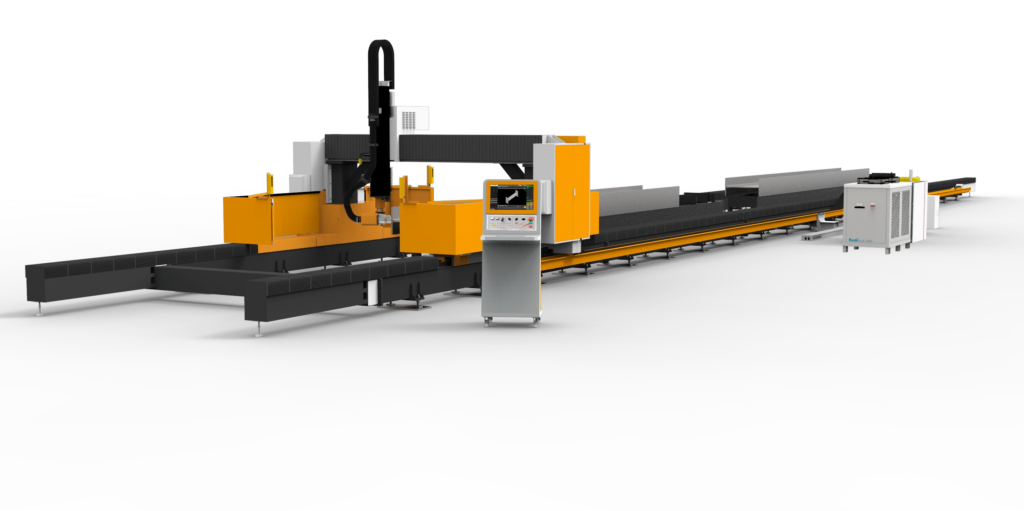
A dedicated 3D laser profiling line for H-beams, I-beams and channel steel — built to turn Tekla models straight into finished, weld-ready structural members.

View Machine
8-Axis CNC Plasma Beam Cutting Machine
Structural Profile Cutting

8-Axis CNC Plasma Beam Cutting Machine

One 3D profiling center for box sections, beams and pipe — an 8-axis plasma platform that replaces marking, drilling and manual coping with a single CNC program.

View Machine
H-Series Beam Cutting Machine
Structural Profile Cutting

H-Series Beam Cutting Machine

High-precision robotic profile fabrication for H, I, U and L sections — automatic sensing compensates for material deviation so every cut is ready to weld.

View Machine
3D Robot Laser Cutting Machine
Structural Profile Cutting

3D Robot Laser Cutting Machine

A 6-axis robotic fiber laser cell for 3D curved workpieces, formed automotive parts and complex metal structures — flexible enough to replace punching dies.

View Machine
CNC Tube Laser Cutting Machine LT240
Tube & Pipe Processing

CNC Tube Laser Cutting Machine LT240

One machine, infinite profiles — high-precision fiber laser processing of H-beams, square tube, rectangular tube, round tube and channel steel.

View Machine
600–2000mm Large Diameter Steel Pipe Cutter
Tube & Pipe Processing

600–2000mm Large Diameter Steel Pipe Cutter

A heavy-duty rotary axis thermal cutting platform purpose-built for large-diameter industrial piping and infrastructure components.

View Machine
CNC Plasma Air Pipe Bevel Cutting Machine
Tube & Pipe Processing

CNC Plasma Air Pipe Bevel Cutting Machine

Cutting and beveling combined in one pass — a 5-axis pipe processor built for tees, miters, saddles and centerline offsets on 40–600mm pipe.

View Machine
Teaching-Free Robotic Welding Station
Intelligent Robotic Welding

Teaching-Free Robotic Welding Station

Zero-programming automated welding for structural steel, H-beams and heavy equipment — the robot scans the joint and welds without manual teaching.

View Machine
Gantry Intelligent Welding Solution
Intelligent Robotic Welding

Gantry Intelligent Welding Solution

An overhead gantry robotic welding cell for infrastructure beams, ship sub-assemblies and heavy crane structures — freeing the shop floor while holding tight geometric accuracy.

View Machine
3D Robotic Laser Welding Machine
Intelligent Robotic Welding

3D Robotic Laser Welding Machine

Three-dimensional robotic motion meets focused laser welding — precise, low-distortion joints on complex geometries, with MIG and laser tooling on the same arm.

View Machine
Cobot Welding Machine
Intelligent Robotic Welding

Cobot Welding Machine

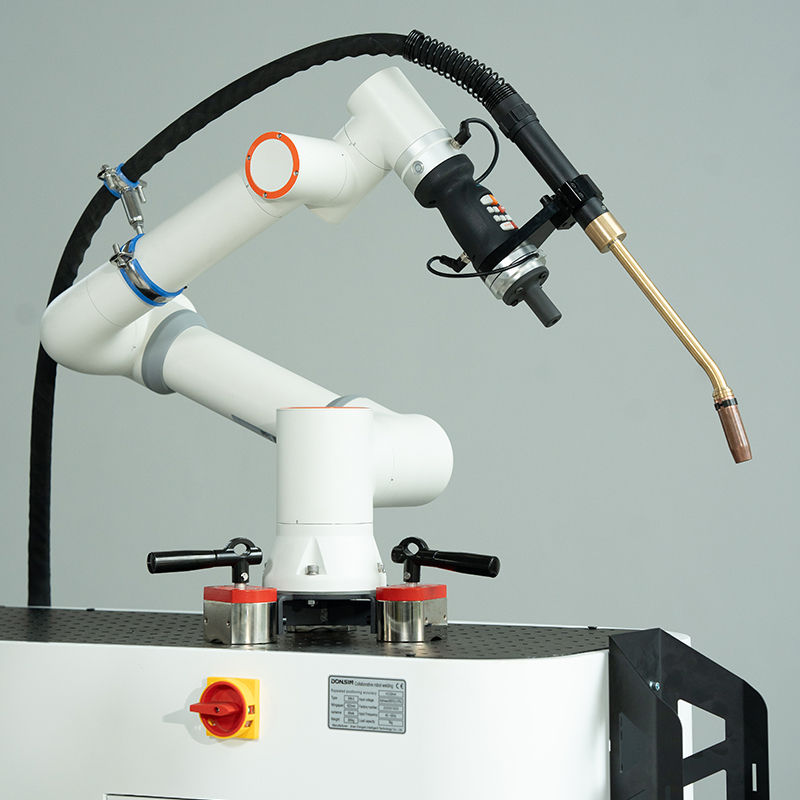
Collaborative welding automation designed to work alongside your operators — small footprint, fast deployment, extreme precision on every seam.

View Machine
Stainless Steel Laser Cutting Machine
CNC Laser & Plasma Cutting

Stainless Steel Laser Cutting Machine

Advanced CNC technology for high-speed stainless steel processing — clean edges and consistent accuracy from thin sheet through thick plate.

View Machine
Small Precision Laser Cutting Machine
CNC Laser & Plasma Cutting

Small Precision Laser Cutting Machine

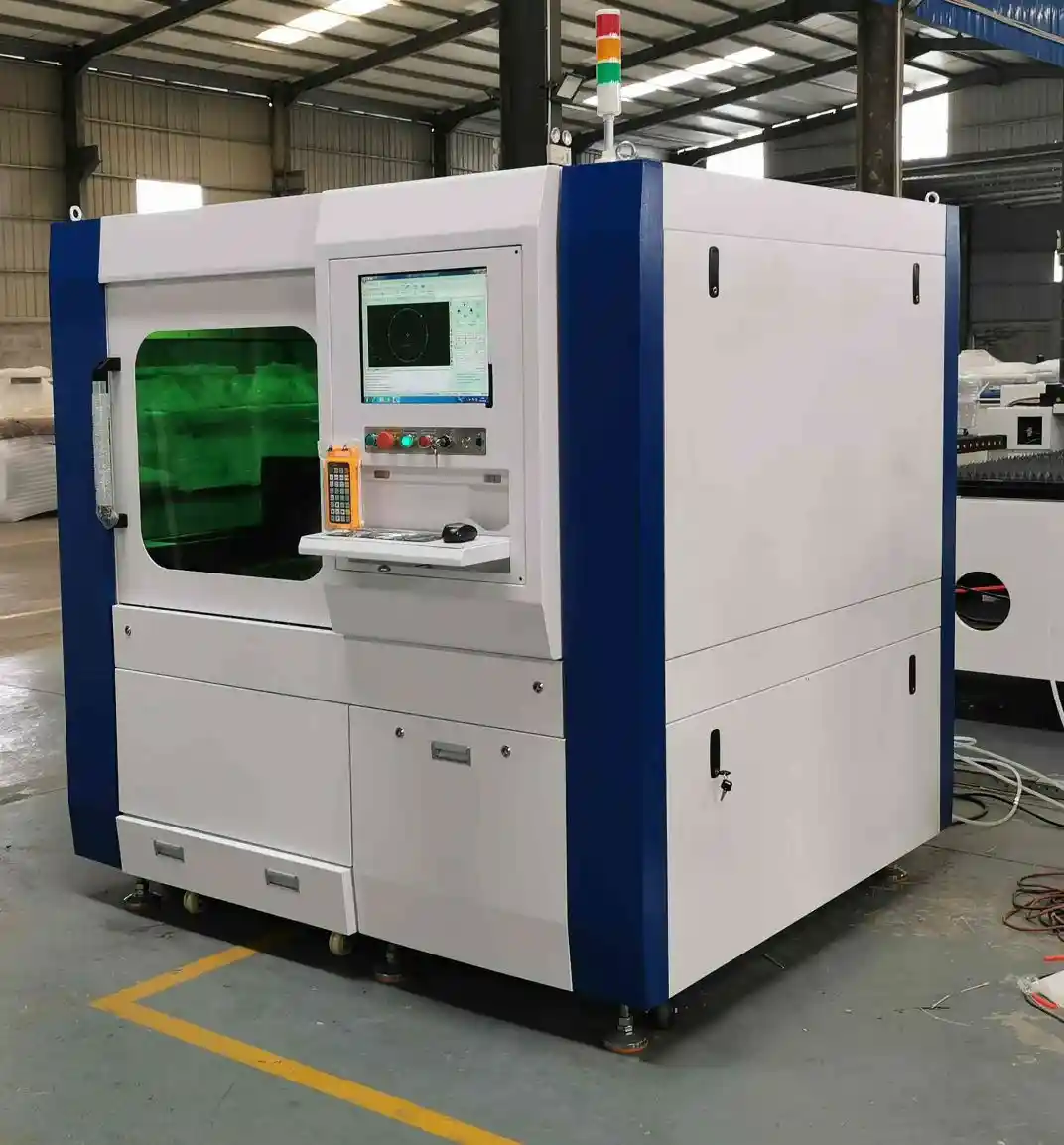
Compact, fully enclosed fiber laser cutting for electronics, precision hardware and small-format metal parts — accuracy down to ±0.01mm in a shop-friendly footprint.

View Machine
Gantry CNC Laser Cutting Machine
CNC Laser & Plasma Cutting

Gantry CNC Laser Cutting Machine

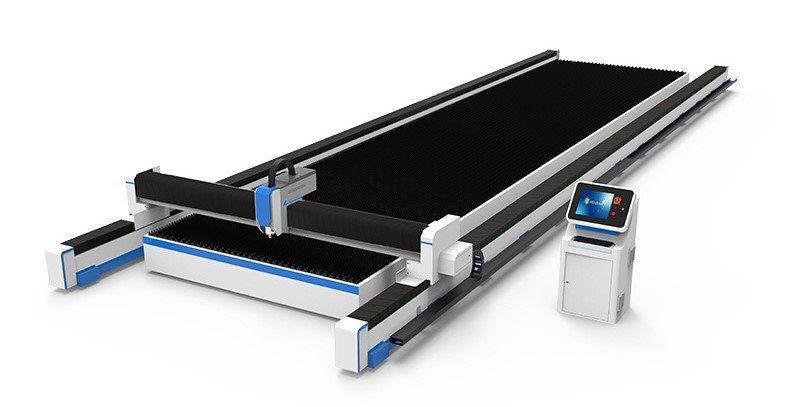
Large-format plate processing built on an aerospace-grade aluminum gantry — high-power fiber laser cutting for plate above 6 metres with 20-year structural accuracy.

View Machine
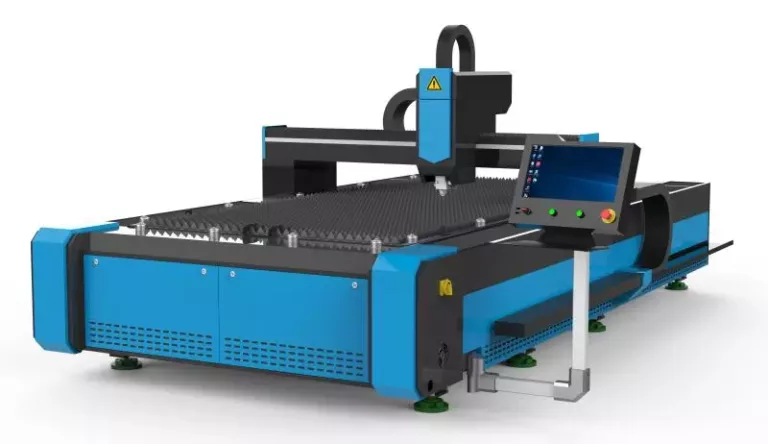
High-Speed Fiber Laser Cutting Machine
CNC Laser & Plasma Cutting

High-Speed Fiber Laser Cutting Machine

A high-precision fiber laser system for stainless steel, carbon steel, aluminum and other non-ferrous metals — built for both heavy industrial parts and intricate hardware.

View Machine
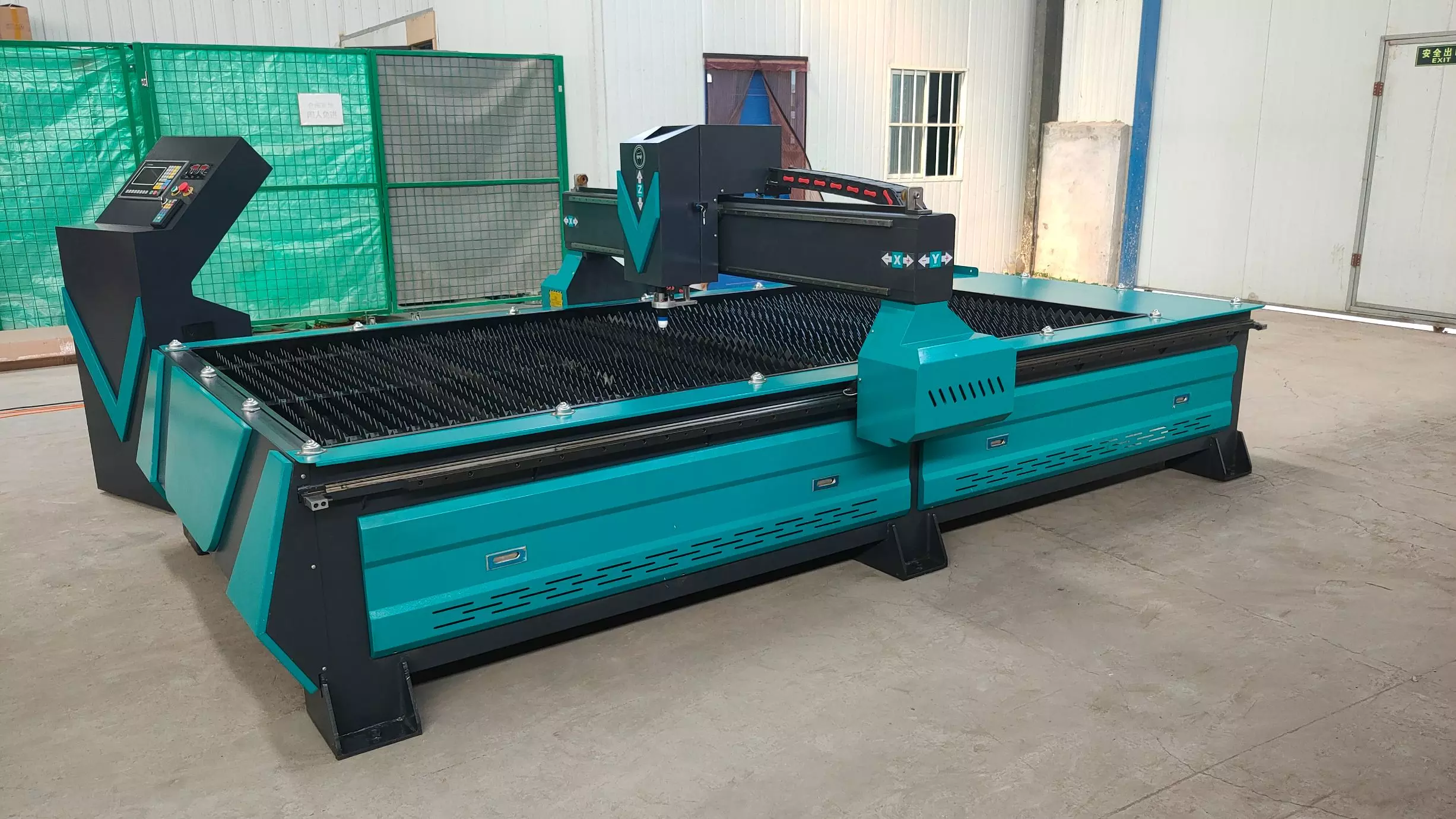
High-Precision CNC Plasma Cutting Machine
CNC Laser & Plasma Cutting

High-Precision CNC Plasma Cutting Machine

A stress-relieved, industrial-grade plasma cutting platform for heavy-duty plate processing — stable enough for 24/7 production environments.

View Machine
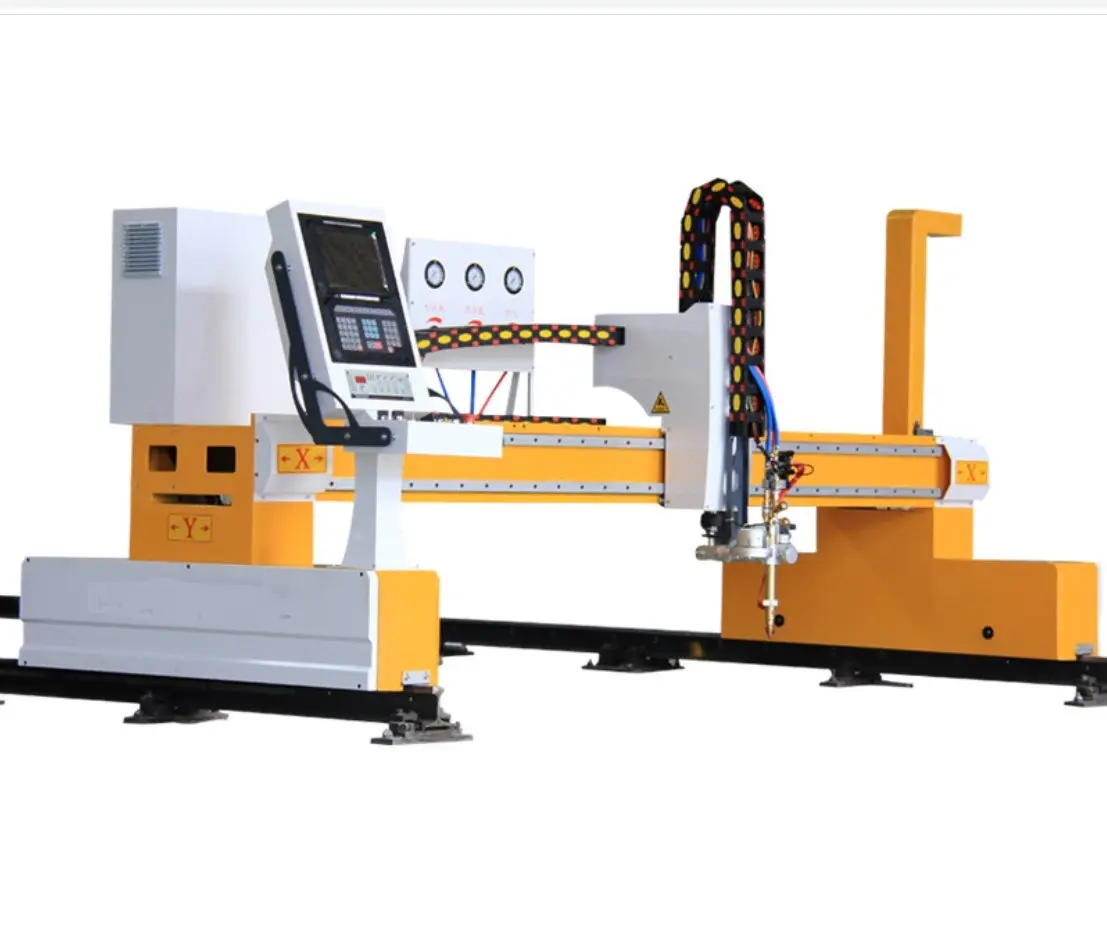
Gantry Type CNC Plasma Cutting Machine
CNC Laser & Plasma Cutting

Gantry Type CNC Plasma Cutting Machine

A high-stability, wide-track gantry platform for large-scale plate processing and high-duty-cycle production — from shipyards to heavy machinery fabrication.

View Machine
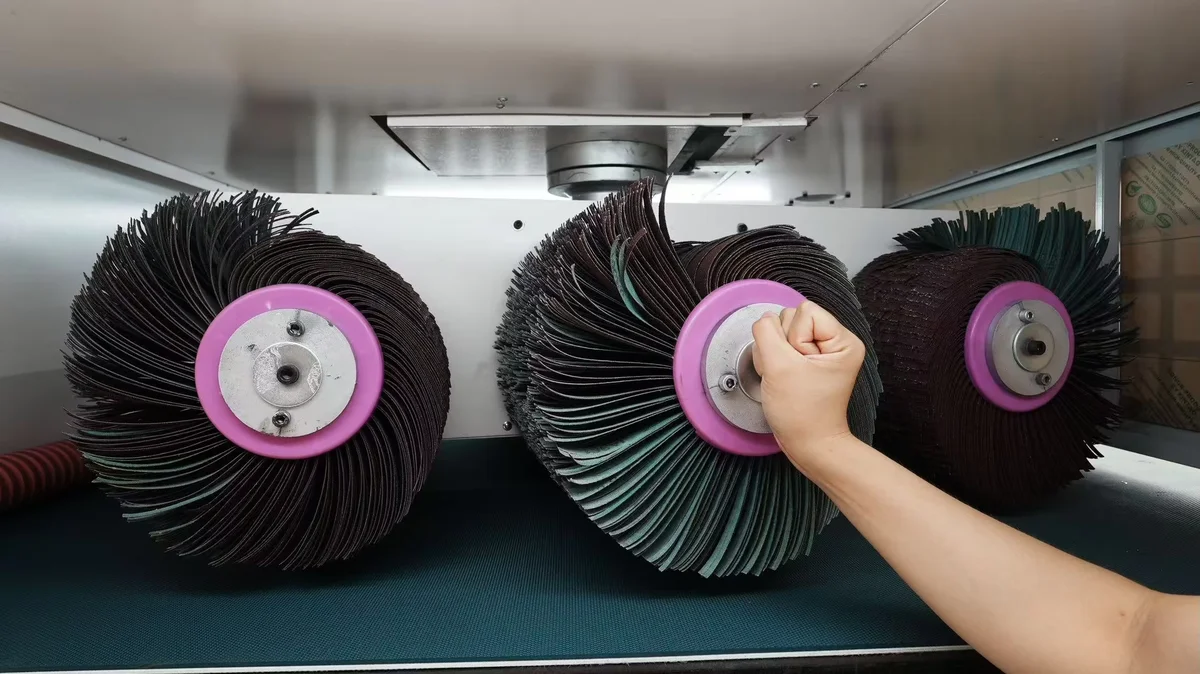
Metal Deburring & Wire-Drawing Machine
Metal Surface Finishing

Metal Deburring & Wire-Drawing Machine

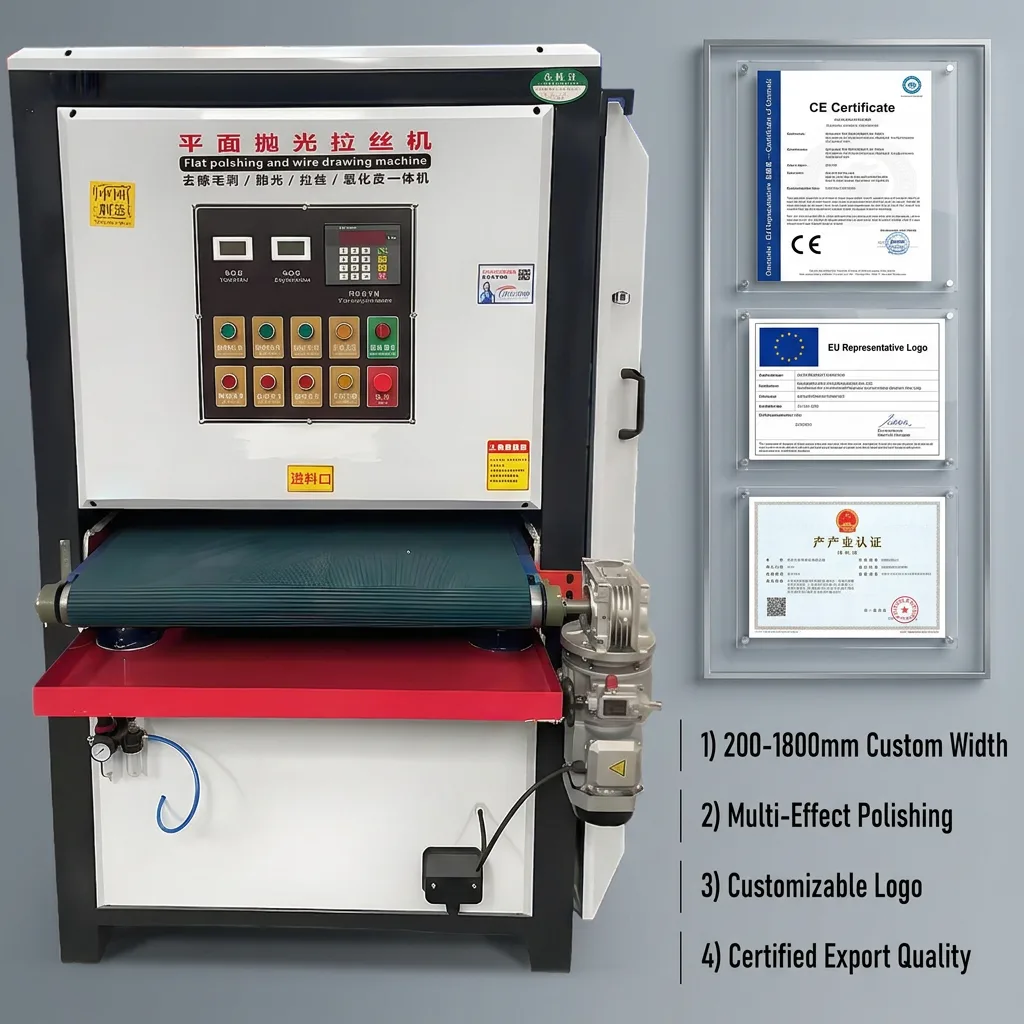
Factory-direct flat deburring, polishing, and wire-drawing machine. 200-1800mm custom width, 110/220/380V, CE certified. Matte, brushed, edge-deburred, and mirror finishes from a single production line.

View Machine
Metal Chamfering Machine – MDC Series
Metal Surface Finishing

Metal Chamfering Machine – MDC Series

MDC-Series metal chamfering machine with universal chamfer wheel head, built on PCL's MD-Series deburring platform. Optional wire-drawing wheel for combined edge-rounding and brushed finish in one pass.

View Machine

Every PCL machine ships with on-site commissioning.

Door-to-door installation, operator training, and lifetime technical support included.

Talk to Our Engineers
Get a Solution Today