Quick Answer
Milling-type beveling gives the most precise, repeatable angles across varying plate thickness. Rolling-type equipment is efficient for long, straight, high-volume edges. Portable tools trade precision for reach, used when the plate can't be brought to a stationary machine.
Say your shop lands a contract for pressure vessel heads that need a consistent 35° bevel on every seam. Do you mill it, roll it, or send a crew out with a portable beveler? Milling vs rolling vs portable beveling comes down to three different mechanisms for cutting the same angled edge, and the right answer depends less on preference than on plate size, edge geometry, and how many you're running.
If Precision Across Varying Thickness Matters Most: Milling-Type
Milling-type beveling machines use a carbide-insert cutter to mill a precise, repeatable angle along the plate edge, without heat-affecting the material the way flame cutting does. This method is well suited to shops that need consistent, accurate angles across a range of plate thicknesses — exactly the pressure vessel scenario above, where the bevel angle can't drift from part to part.
If You're Running Long, Straight Edges at Volume: Rolling-Type
Rolling or shear-type bevelers pass the plate edge through a set of forming rollers, producing a continuous bevel along long, straight edges efficiently. This method suits high-throughput, straight-edge work, though it's generally less flexible for irregular or curved edges compared to milling.
If the Plate Can't Come to You: Portable Tools
Portable beveling machines are handheld or clamp-mounted units that go to the workpiece rather than the other way around — useful for on-site fabrication, very large plates, or oversized components that can't practically be moved to a stationary machine. They trade some throughput and precision for flexibility and reach.
A Fourth Option: Wheel-Head Machines That Also Deburr
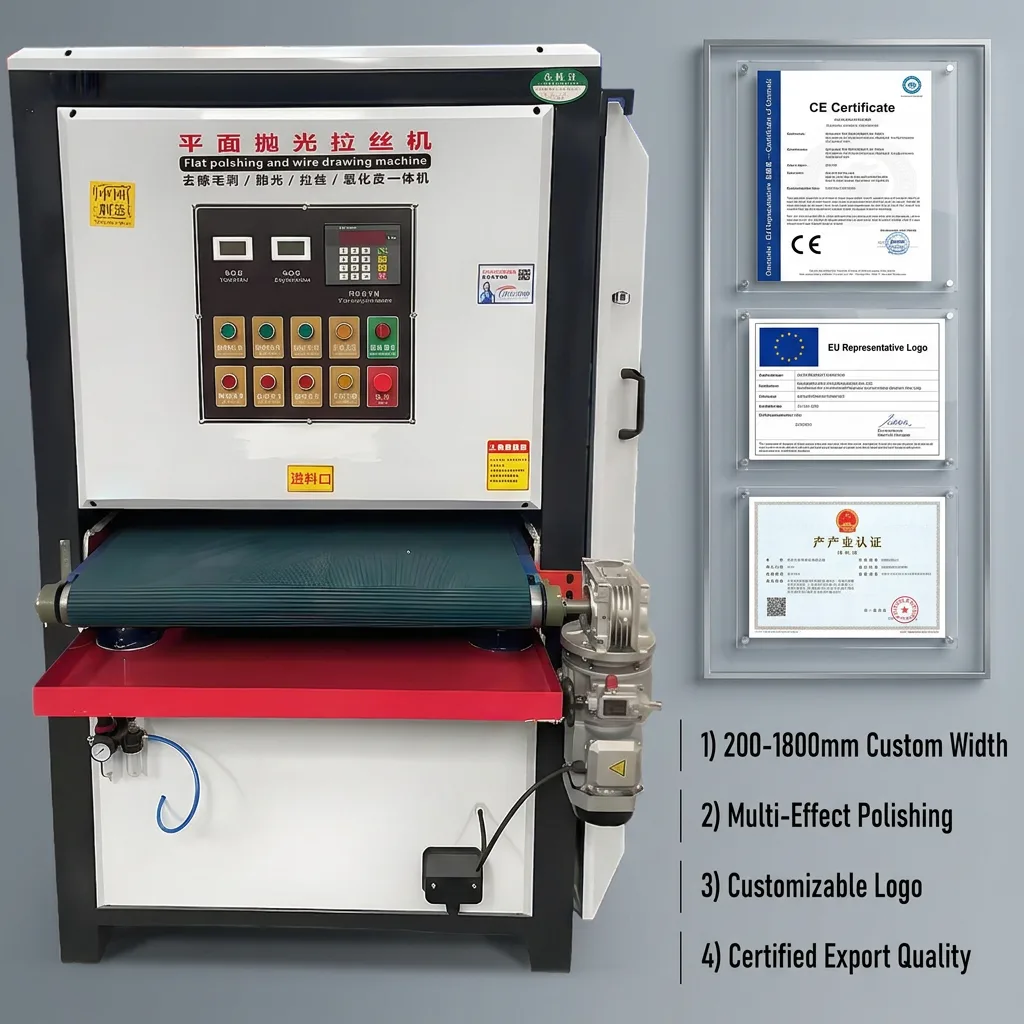
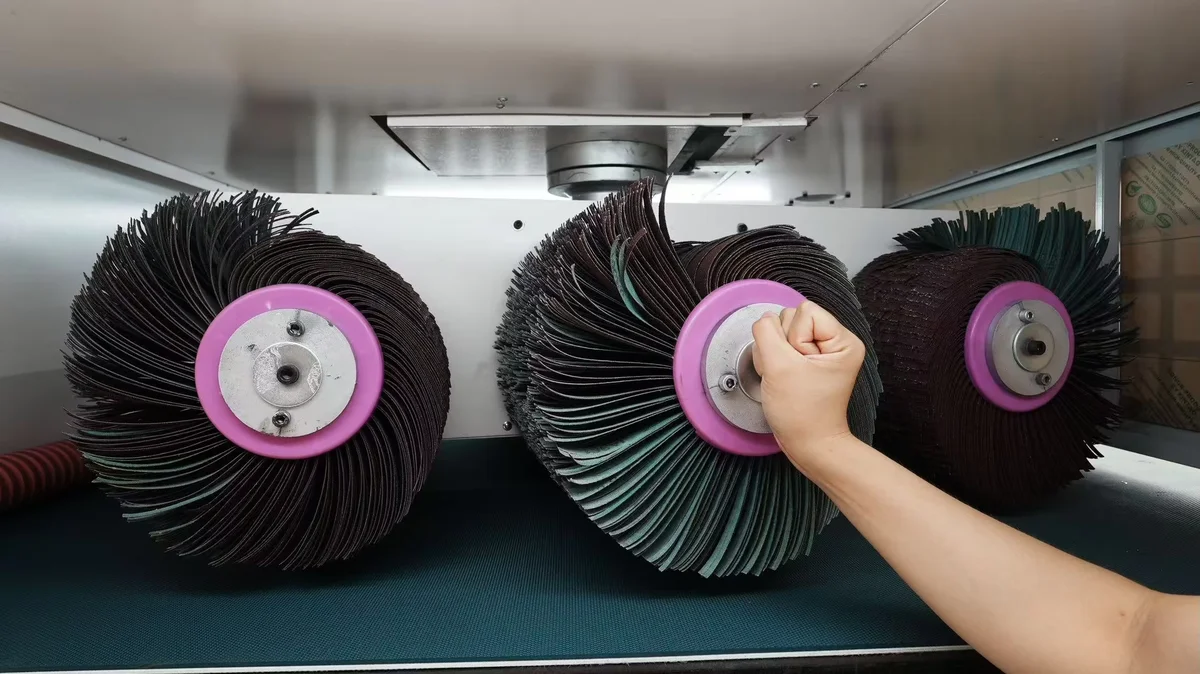
Where none of the three fits perfectly — say, a shop that needs both a weld-prep bevel and a rounded, deburred edge on the same parts — a universal wheel-head machine like PCL's MDC-Series covers both in one line, since it's built on the same platform used for flat deburring.
Choosing Between the Three
Milling-Type
- Best precision and repeatability
- Handles varying plate thickness well
- No heat-affected zone
Rolling-Type
- Best for long, straight, high-volume edges
- Efficient continuous processing
- Less flexible on curved or irregular edges
Frequently Asked Questions
Milling-type beveling generally offers more precise, repeatable angle control, since it's cutting rather than forming the edge. Rolling-type equipment is efficient for long, straight, high-volume runs.
Portable tools make sense when the plate is too large, heavy, or awkwardly located to bring to a stationary machine — common in shipbuilding, construction sites, and large structural fabrication.
Rolling-type bevelers are generally best suited to long, straight edges. Curved or irregular edges are typically better handled by milling-type or portable equipment.
Yes — wheel-head machines built on a shared deburring platform can produce a weld-prep bevel and a rounded, deburred edge in the same production line, without routing plate through two separate machines.
Many milling-type beveling machines are available with programmable angle and feed control, sometimes marketed as CNC beveling machines, specifically because that repeatability is the main advantage of milling-type equipment over rolling or portable methods — worth asking about if your jobs call for frequently changing between different bevel angles.